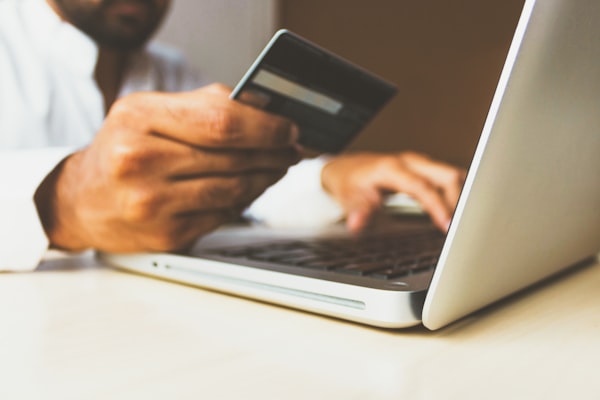
Exploring the diverse landscape of mobile payment solutions and how people across different regions manage their phone bills
In today's digital age, mobile phone payments have become an integral part of our daily lives. With billions of mobile users worldwide, the methods and technologies used to pay for phone services vary significantly across different countries and regions.
The evolution of payment systems has transformed from traditional cash transactions at physical stores to sophisticated digital platforms that allow instant payments through mobile apps, online portals, and automated systems. This article explores the various payment methods available globally and examines which approaches have gained the most popularity in different parts of the world.
Understanding these payment methods is crucial for both consumers and service providers, as it reflects broader trends in financial technology, consumer behavior, and regional economic conditions.
Various approaches to mobile phone bill payments used worldwide
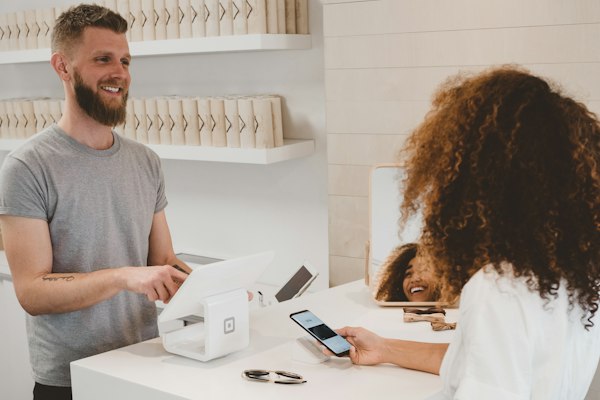
Web-based platforms that allow users to log in and pay their bills directly through service provider websites. These portals often support multiple payment methods including credit cards, debit cards, and bank transfers.
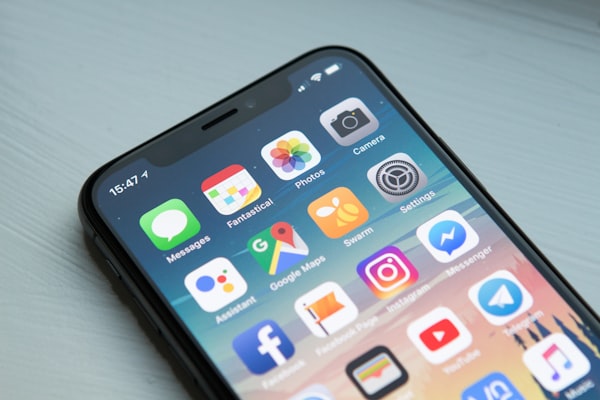
Dedicated smartphone apps provided by telecom operators enable quick and convenient bill payments. These apps often include features like auto-pay, payment history, and usage tracking.

Traditional card payments remain popular, especially in regions with well-established banking infrastructure. Many providers offer automatic recurring payments for convenience.

Direct bank transfers through online banking systems or mobile banking apps. This method is particularly common in European countries and regions with strong banking networks.

E-wallet services like PayPal, Apple Pay, Google Pay, and regional alternatives have gained significant traction. These services store payment information securely and enable quick transactions.
Prepaid phone cards and voucher-based systems remain popular in many developing regions. Users purchase credit in advance, which is then applied to their account balance.

Regional preferences and adoption rates of different payment technologies
Mobile money services like M-Pesa have revolutionized payments across Africa. In countries like Kenya, Tanzania, and Ghana, mobile money accounts for over 70% of all phone bill payments. These systems allow users to send and receive money, pay bills, and purchase airtime directly from their mobile phones without requiring a bank account.
In China and Southeast Asia, super apps like WeChat Pay and Alipay dominate mobile payments. These platforms integrate phone bill payments with numerous other services, creating an all-in-one solution. Over 85% of mobile users in China use these platforms for their telecom payments, making it the most popular method in the region.
European countries heavily favor direct bank transfers through online banking systems. Services like SEPA (Single Euro Payments Area) enable seamless cross-border payments. Approximately 60% of Europeans prefer bank transfers for their phone bills, appreciating the security and integration with their existing banking infrastructure.
In the United States and Canada, credit and debit card payments remain the dominant method, with over 65% of users opting for automatic recurring payments. The convenience of set-and-forget billing, combined with reward programs, makes this the preferred choice for most consumers.
Digital wallet adoption is rapidly growing in Latin American countries. Services like Mercado Pago and regional banking apps are becoming increasingly popular, especially among younger demographics. The growth is driven by smartphone penetration and the need for convenient payment solutions in urban areas.
How different regions approach mobile phone payments